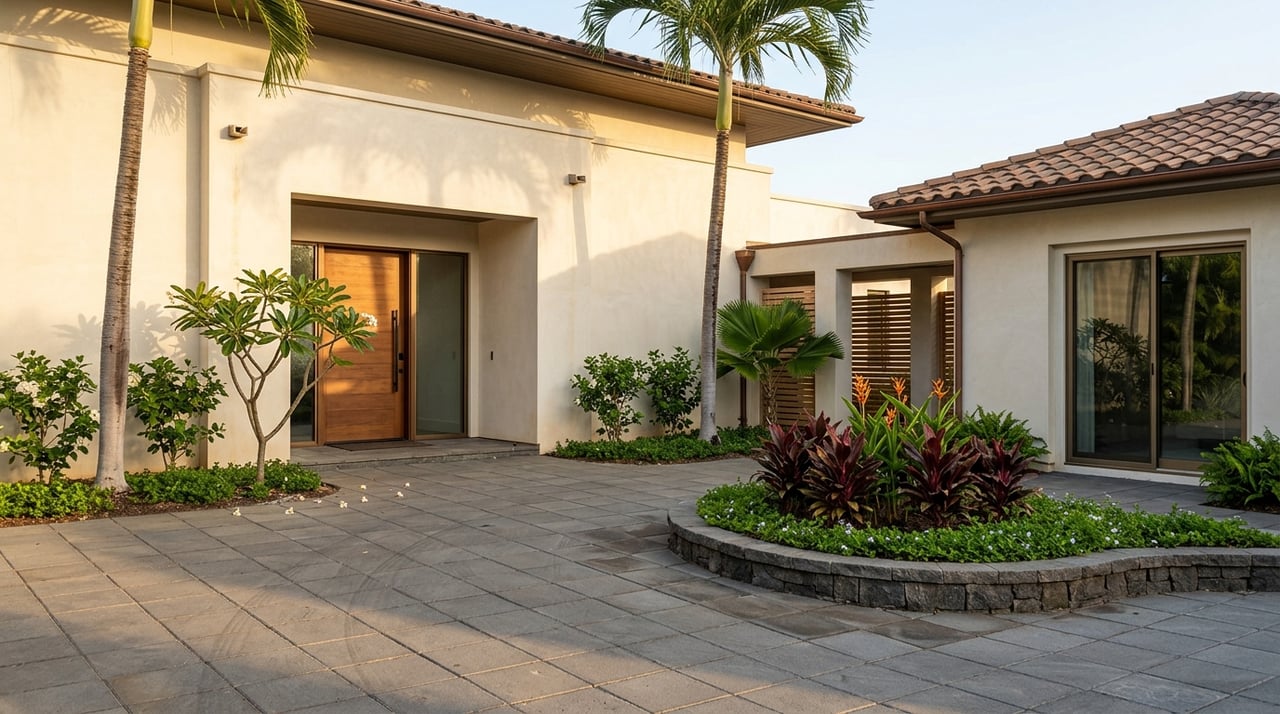
Hualalai Resort Villas vs. Estates: How To Choose Your Fit
Lailan Bento July 9, 2026
Lailan Bento July 9, 2026
Trying to choose between a villa and an estate at Hualālai Resort can feel simple at first, until you realize the labels do not always tell the full story. If you are buying a second home, planning for rental use, or looking for a long-term legacy property, the right fit comes down to how you want to live, maintain, and use the home. This guide will help you compare Hualālai Resort villas and estates in practical terms so you can ask sharper questions and move forward with more confidence. Let’s dive in.
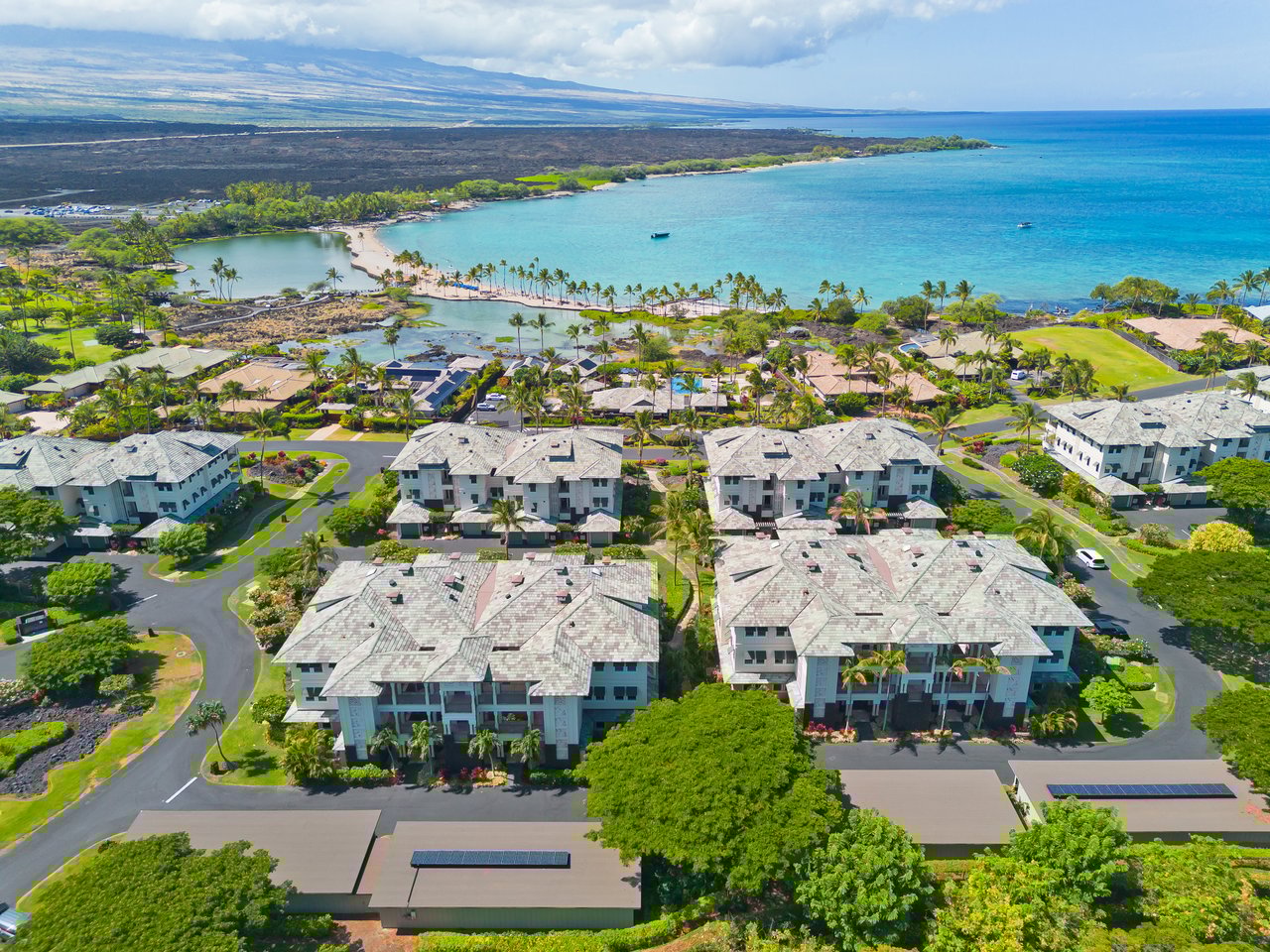
Hualālai Resort is an 865-acre oceanfront community on the Kona-Kohala Coast of Hawaiʻi Island. It sits about eight minutes north of Kona International Airport, which is part of what makes it appealing for owners who travel back and forth from the mainland or other islands.
Life at the resort is built around a strong amenity mix, including luxury golf, spa services, dining, tennis, ocean activities, cultural programming, and club facilities. That resort-centered lifestyle matters when you compare villas and estates, because both ownership options are shaped by how you plan to spend your time on property.
At Hualālai, villas are generally described as either single-level condos or split-level townhomes. They are grouped in smaller neighborhoods, with examples that include Fairway, Golf, Hillside, Ka'ulu, Ke Alaula, and Waiulu.
Some villa neighborhoods also have nearby association swimming pools and spas. Current official inventory is mainly made up of two- and three-bedroom residences, which gives you a sense of the scale many buyers can expect in this category.
Estates, or custom homes, are a different product type within the resort. Official descriptions point to standalone custom residences, and the current inventory shows examples ranging from three to six bedrooms.
The official FAQ also notes that homes come with a private pool and spa for exclusive use. In day-to-day terms, that usually means a more private and more independent ownership experience than you would get with a villa.
One of the most important things to know is that Hualālai naming is not perfectly binary. The official rental program includes villa neighborhoods, estate-named homes, and hybrid labels such as Estate Villas at Hainoa.
That means you should not assume a property’s name tells you everything about how it lives or how it is governed. Before you decide, confirm the actual floor plan, maintenance structure, and HOA or governing documents for the specific property you are considering.
If your goal is easier ownership and a more lock-and-leave setup, a villa may be the better fit. Because villas are condo or townhome style and may share recreation areas, they generally suggest a lighter maintenance burden.
That can be especially appealing if you expect to be off-island for long stretches or simply want fewer moving parts to manage. You still get a luxury resort setting, but often in a more compact and structured ownership format.
If you want more separation, more room for guests, or a property that feels more like a long-term family retreat, an estate may fit better. The custom-home format and private pool and spa setup point to a more standalone experience.
For many buyers, that translates into greater privacy and a stronger sense of having a legacy-style residence. If your vision includes hosting extended family or creating a multigenerational gathering place, estates often align more naturally with that use case.
For many buyers, the biggest day-to-day difference between a villa and an estate is maintenance. Villas generally imply less upkeep, while estates usually involve more responsibility because of their custom-home design and private amenities.
That said, the exact split is property-specific. You will want to review what the HOA covers, including exterior maintenance, landscaping, pool or spa service, and replacement reserves, because those details can materially affect both convenience and carrying costs.
Hualālai Villas & Homes operates the resort’s in-house rental program for privately owned residences. Current policies say non-festive stays require a five-night minimum, occupancy is capped by bedroom count, and guest access to hotel restaurants, beaches, pools, and activities can be restricted during peak occupancy.
The same policies note that the Canoe Club and Ke‘olu Golf Course & Clubhouse are member-only. That matters if rental performance is part of your plan, because owner expectations should be based on actual program rules, not just the resort name.
Current official listings show villas starting around $1,295 per night and homes around $3,595 per night. That suggests the market typically prices homes higher than villas, though pricing will vary by residence, bedroom count, condition, and location within the resort.
Higher nightly rates can be attractive, but they do not tell the whole story. If you are comparing options from an investment lens, you will also want to weigh maintenance demands, occupancy limits, and how often you personally plan to use the property.
Hualālai Club membership is available exclusively to residents of Hualālai Resort. Club privileges include access to both golf courses, the tennis club, the sports club and spa, the Residents’ Beach House, the Ke‘olu Clubhouse, and the beach and swimming facilities at Four Seasons Resort Hualālai.
Still, you should ask how amenity access works for the specific property you are considering. There can be important differences between owner access, resident access, club member access, and rental guest access.
A smart villa-versus-estate decision starts with honest use-case planning. The right answer for you may have less to do with prestige and more to do with how often you are on island, how many people will stay with you, and whether you value simplicity over space.
A few practical questions can help clarify your fit:
If you want a quick rule of thumb, villas tend to suit buyers who value convenience and lower upkeep. Estates and custom homes tend to suit buyers who want more privacy, more room, and a residence that can serve as a longer-term family asset.
Neither path is automatically better. The best choice is the one that fits your lifestyle, time on island, and ownership strategy with the fewest surprises after closing.
Before you commit to a villa or an estate at Hualālai, make sure you get clear answers to the basics. In a resort market, small differences in documents and access can have a big effect on value and daily use.
Here are the questions worth asking early:
At Hualālai, the details behind the name matter just as much as the address. A residence may sound like one product type but function more like another once you look at the floor plan, neighborhood structure, maintenance obligations, and rental rules. That is why careful due diligence matters so much when buying luxury real estate on the Big Island.
You want to understand not just what the property is called, but how it actually lives, what it costs to hold, and how it supports your goals over time. Whether you are exploring Kona homes for sale or comparing resort communities along the Kohala Coast, having expert advice ensures a seamless process.
If you are comparing Hualālai villas and estates and want practical guidance grounded in Big Island market knowledge, Lailan Bento can help you evaluate the lifestyle, access, and ownership details that shape a confident decision.

Lailan Bento is the principal broker and co-founder of Hawai’i Development Group, where she is recognized for her integrity, expertise, and dedication to client satisfaction. She began her career in the governor’s office, gaining invaluable experience in Hawai’i laws and regulations, before establishing herself as a respected businesswoman in real estate. Known for her relentless drive and commitment to going above and beyond, Lailan’s love for her island home and community is at the heart of her work, making her a true embodiment of the spirit of Aloha.
📍 75-5915 Walua Rd, Kailua-Kona, HI 96740
📞 (808) 936-1800



Lailan Bento
Lailan Bento | February 20, 2026
Lailan Bento
Lailan Bento | January 26, 2026
What to Upgrade Before You List
Lailan Bento
Lailan Bento | January 25, 2026
Everything You Need to Know Before Purchasing a Luxury Home, Resort Condo, or Investment Property on the Big Island
Lailan Bento
Lailan Bento | October 23, 2025
Hawaii luxury real estate is a segment of the housing market that stands out for its unique features and allure.

Lailan Bento
Lailan Bento | January 15, 2025
Protecting Your Investment: Understanding the Value of a Home Warranty.
Lailan Bento
Lailan Bento | September 23, 2024
The Big Island of Hawaii, with its pristine beaches, exotic landscapes, and vibrant culture.
Lailan Bento
Lailan Bento | September 23, 2024
The real estate market in Hilo is closely affected by the basic principles of supply and demand.
Lailan Bento
Lailan Bento | September 23, 2024
Effective communication is the cornerstone of any successful relationship.
Lailan client’s happiness and satisfaction is the foundation of her success, which shows in her exceptional record of going above and beyond for others, Work with her today!